Fixing Drain and Sewer Problems in Paulínia: A Beginner’s Troubleshooting Path
If you are searching for a desentupidora Paulínia SP, the most useful first step is to stop guessing and diagnose the blockage before anyone touches a drain. Recent changes in how local emergency plumbing is dispatched mean homeowners now have faster access to 24-hour teams, but that speed only helps if you describe the problem correctly. This guide walks you from the very first symptom to a working drain, one problem and one fix at a time.
Start With the Symptom, Not the Snake
Most beginners grab a plunger or call the first number they see. Trainers teach the opposite: read the symptom first, because the symptom tells you which part of the system is blocked and which tool is safe to use.
Problem 1: One slow drain, everything else fine
A single slow sink or shower drain usually means a local clog of hair, soap scum or grease in the trap or the branch line. The fix is mechanical before chemical: remove the strainer, pull out visible debris with a hook, then use a plunger with the overflow covered. Never pour caustic drain cleaner into a drain that is fully stopped, because the chemical sits there and can damage the pipe or splash back. If plunging fails, a hand auger reaches the trap and the first meter of pipe.
Problem 2: Multiple fixtures backing up at once
When the toilet gurgles while the shower drains slowly, the blockage is downstream, in the main line. This is the point where DIY effort usually makes things worse. The correct move is to stop using water in the whole house and call a professional team such as a desentupidora Paulínia, because the fix requires a machine that can reach the main run and a camera to confirm what is inside it.
Problem 3: Sewage smell with no visible backup
A smell without a backup often means a dry trap, a cracked vent pipe or a partial obstruction holding waste in the line. Check traps in unused bathrooms first, then look for water stains near floor drains. If the smell persists after traps are refilled, treat it as a warning sign and get the line inspected before it becomes a full backup.
Problem 4: Repeated clogs in the same spot
Clogs that return every few weeks are not bad luck. They usually mean grease buildup, roots at a joint or a pipe with a belly where solids settle. The fix is not another bottle of cleaner; it is hydrojetting or camera inspection to remove the cause rather than the symptom.
What a Professional Team Actually Does, Step by Step
Understanding the sequence helps you judge whether the job is being done properly. A trained crew does not start with the biggest machine; it starts with information.
Step 1: Interview and access check
The technician asks what backs up, when it started and what was poured down the drain. Then they locate cleanouts, inspection boxes and the sewer connection. Missing or buried cleanouts are the most common reason a simple job turns long, so this check saves time and damage.
Step 2: Mechanical clearing
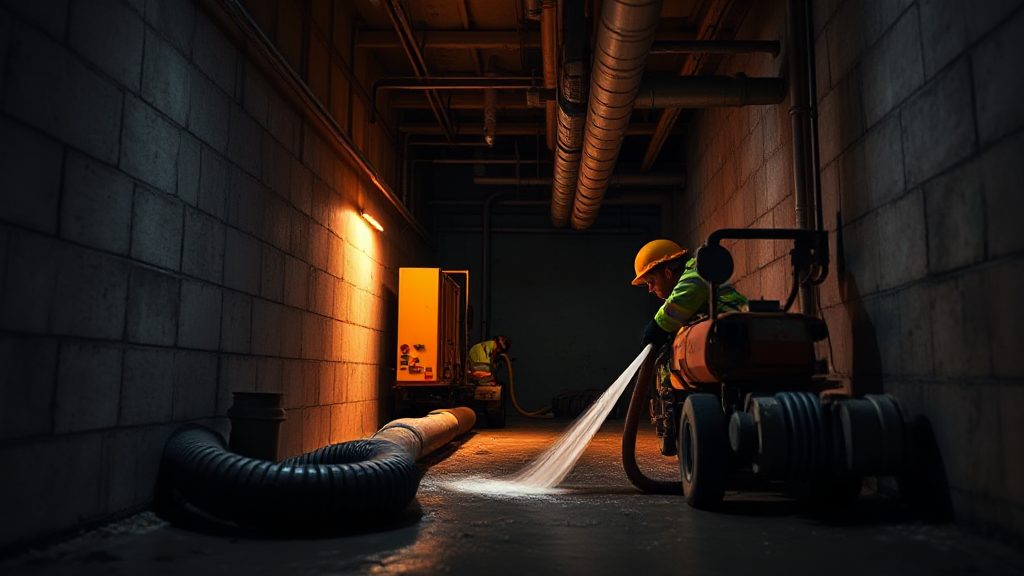
A rotating cable or auger opens the blockage. For grease, scale and roots, hydrojetting with controlled water pressure scours the pipe wall instead of just punching a hole through the clog. This is why a proper desentupidora em Paulínia SP carries more than one tool.
Step 3: Camera confirmation
A camera shows whether the pipe is clear, cracked, root-invaded or misaligned. Without this step, you only know water flows today, not whether it will flow next month.
Step 4: Cleanup and prevention advice
The crew flushes the line, cleans the area and tells you what to change, such as grease disposal, hair screens or a scheduled maintenance interval for older buildings.
Problem 5: Septic tank or fossa issues
Homes outside the main sewer network depend on a septic tank. Slow drains plus a full tank mean pumping, not plunging. Pumping on a schedule is cheaper than replacing a saturated drain field.
| Symptom | Likely cause | Right first action |
|---|---|---|
| One slow drain | Local clog in trap | Plunge or hand auger |
| Multiple fixtures backing up | Main line blockage | Stop water use, call a pro |
| Smell, no backup | Dry trap or vent issue | Refill traps, inspect |
| Repeat clogs | Grease, roots, pipe damage | Hydrojet and camera |
Costs, Mistakes and Questions Beginners Always Ask
Budget and prevention are where most people lose money. A clear picture of trade-offs keeps a small problem from becoming an emergency.
What drives the cost
Price depends on access, depth, time of day and the tool required. An emergency night call costs more than a scheduled visit, and a buried cleanout or a second-floor apartment adds labor. Ask for the scope before work starts: clearing only, or clearing plus camera and cleaning.
Common mistakes to avoid
- Pouring chemical cleaner into a fully blocked drain.
- Using a plunger on a main-line backup and pushing waste into other fixtures.
- Ignoring repeat clogs until a pipe collapses.
- Hiring a team that cannot show a camera or explain the cause.
Prevention is the cheapest repair: grease in a container, hair screens in showers, and a maintenance visit for older buildings.
FAQ
How fast can a team arrive in Paulínia?
Emergency services aim for rapid dispatch, but arrival depends on traffic and demand. Describe the symptom clearly when you call so the right equipment is sent first.
Can I use a chemical cleaner before calling a professional?
Only for a slow drain, never for a fully stopped one. Chemicals can damage pipes and are dangerous if they sit in standing water.
How often should a septic tank be pumped?
Household size and usage matter, but a regular interval set by a technician after inspection prevents overflow and costly field damage.
Do I need a camera inspection after every clog?
Not for a simple local clog, but yes for repeat problems, main-line backups and any property with older pipes.